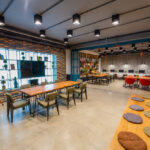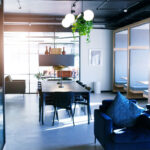
Office pantry designs have evolved from a simple utility space into an important part of the workplace experience. In today’s times, shared spaces matter significantly, making the pantry a social anchor.
Because of this shift, modern office pantry design needs to be more intentional. It is no longer just about storage and appliances, but one that supports movement, conversation, and moments of reset within a compact area. Good design begins by understanding how the space should function before deciding how it should look.
Here are ten ideas shaping the modern office pantry designs and why they matter
1.Design for the Shift in Energy
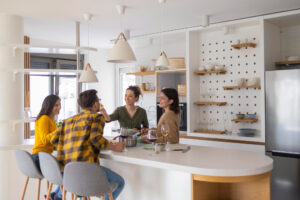
People often enter a pantry when they are overstimulated or mid-task. The pantry should help shift that energy. Office pantry design ideas should incorporate warmer lighting, softer materials, and a more relaxed layout to immediately shift the mood.
Good design of shared spaces such as office cafeterias and pantries recognises that this space is about transition, not meeting assigned tasks.
2. Observing real user behaviour
Before design, observe behaviour and patterns of people using the space. Where do they queue? Any specific point at which they gather? Is it close to the office cafeteria? Do they stay or leave quickly? These questions by office interior designers should drive layout decisions.
The best pantry designs feel intuitive because they’re based on people’s real behaviour, not assumptions.
3. A Hospitalitable environment
Pantries work best when they feel welcoming. Best interior designers for offices create environments that feel deliberate rather than improvised. Like modern office cafeterias, when a pantry feels welcoming, employees are more likely to remain in the space, increasing opportunities for informal interaction.
4. Bringing Elements to imitate Biophilia
Natural materials continue to play an important role in supporting wellbeing. For office interior designers in Bangalore, the objective is to create a calm contrast to task-focused work areas. Natural materials like timber, stone, and greenery add warmth and calm.
When applied thoughtfully, biophilic elements enhance atmosphere while maintaining a professional, cohesive aesthetic.
5. Let Technology Blend In
Touchless fixtures, smart coffee systems, and occupancy sensors are increasingly standard in modern office pantry designs. The distinction lies in how they are integrated.
In well-designed pantry and modern office cafeteria spaces, technology is seamlessly embedded – interfaces remain simple, wiring and service elements are concealed, and appliances align cleanly with surrounding millwork. Innovation should improve efficiency and hygiene without dominating the visual environment.
6. Create Different Zones
Employees use pantry spaces in different ways. Some stop by for a quick chat, while others are simply looking for a quiet moment between meetings. A well-considered pantry or modern cafeteria design responds to this variety of needs by layering different types of zones within the same space.
High counters work well for short, informal interactions or quick coffee breaks. Communal tables create a natural setting for group lunches and casual team conversations. Meanwhile, smaller seating clusters or perimeter niches offer more personal spots where employees can pause, recharge, or step away briefly from the pace of the work floor.
7. Integrate Branding through subtlety
The office pantry design is a visible but informal brand touchpoint. It reflects a company’s culture. Office interior designers today, instead of bold logos, display identity through materials, colours, and small design details. Color accents may reference brand palettes without overwhelming the room.
Best interior designers for offices incorporate design narrative into finishes or feature surfaces in a restrained way.
8. Finishes and Fixtures
The success of a modern office pantry design extends to its fixtures and finishes. People often step into a pantry or modern office cafeteria between tasks or during short breaks. Thoughtful design focuses on practical finishes and fixtures, durable countertops, easy-to-clean backsplashes, integrated appliances, and comfortable seating that support everyday use.
Well-planned lighting, cabinetry, and sink layouts ensure the space functions smoothly while remaining welcoming and easy to maintain.
9. Elevate the Edges, Not Just the Center
In shared spaces like office pantries and cafeterias, design thinking encourages us to look beyond the centre of the room and focus on how people naturally use the edges. Details such as counter overhangs, narrow standing ledges, durable wall panels, and thoughtfully placed lighting can make these edges more functional and comfortable. These elements may seem subtle, but they play a key role in how intuitive and usable the space feels. These subtle, often overlooked interactions are definitive of the success of any good office pantry design.
By designing for these micro-moments with intention, the edges of a space often determine whether people choose to remain within it.
10. Functionality before Aesthetics
Even the best office pantry design ideas fall short if everyday practical issues aren’t addressed. Problems like lingering food smells, noise spillover, water spillage, appliance heat, and poor waste segregation can quickly undermine the experience.
Good pantry and cafeteria design anticipates these realities- with proper ventilation, clear waste management systems, easy cleaning access, and well-planned layouts that prevent congestion. In the end, resolving these functional challenges matters far more than simply upgrading finishes. Design thinking prioritises problem-solving.
Read Also – Breakout Area Design and Its Role In The Modern Workplace
Why It Matters
The modern office pantry design holds a quiet but powerful role in workspaces today. It supports connection naturally, provides breathing space during busy days, and shows attention to everyday moments.
When designed with empathy and insight, the office pantry design becomes more than a break area. It becomes a place where workplace culture happens, one coffee at a time.
Frequently Asked Questions
- Why is the office pantry design considered a strategic space in 2026?
Unlike meeting rooms or desks, the modern office pantry designs host informal moments: quick chats, spontaneous collaboration, and mental resets; it shapes everyday behavior. These small interactions often influence workplace culture more than formal spaces do. When designed intentionally, the pantry becomes a social anchor that supports connection, wellbeing, and employee retention. - What should be prioritised first when designing a modern office pantry?
A standard office pantry design idea would be to focus on circulation, congestion points, appliance placement, and zoning, before considering finishes. If movement feels awkward or crowded, the experience will suffer. Once flow works smoothly, materials and atmosphere can truly enhance the space. - How can office pantry design support employee wellbeing without feeling forced?
By building wellbeing into the fundamentals – acoustic comfort, good ventilation, ergonomic seating, natural materials, and balanced lighting all affect how people feel, often subconsciously. Office interior designers should embed wellness in the layout and material choices from the beginning. - How do you balance brand expression without overdesigning the space?
Best office interior designers must accomplish this through subtle integration. Material choices, detailing, and small storytelling elements can reflect company identity without overwhelming the room. The pantry should feel human first. Brand expression works best when it’s naturally woven into the design, not added as decoration. - How do you future-proof an office pantry design?
Modern office pantry designs should accomplish adaptability and durability, and use materials that age well. Create layouts that handle changing occupancy levels. Integrate technology that improves usability without dominating the space. Most importantly, design around human behavior rather than trends, because while styles change, the need for comfort, connection, and ease remains constant.